
In today’s fast-paced world, access to timely and effective medical care can make a significant difference in health outcomes. Whether it’s a sudden illness, an injury, or a chronic condition that requires monitoring, having the right medical services at your disposal ensures faster recovery and peace of mind. Understanding the essential services that provide quick medical attention can help individuals and families respond efficiently to health emergencies and ongoing healthcare needs.
Urgent Care: A Lifeline for Immediate Needs
Urgent care centers play a critical role in providing fast medical attention without the long waits often associated with emergency rooms. Urgent care facilities handle a variety of conditions, including minor injuries, infections, and sudden illnesses that require prompt treatment but are not life-threatening. These centers often operate beyond standard office hours, making them accessible when primary care doctors are unavailable. The availability of urgent care ensures patients receive timely intervention, reducing the risk of complications and unnecessary ER visits.
Mobile Imaging: Advanced Diagnostics on the Go
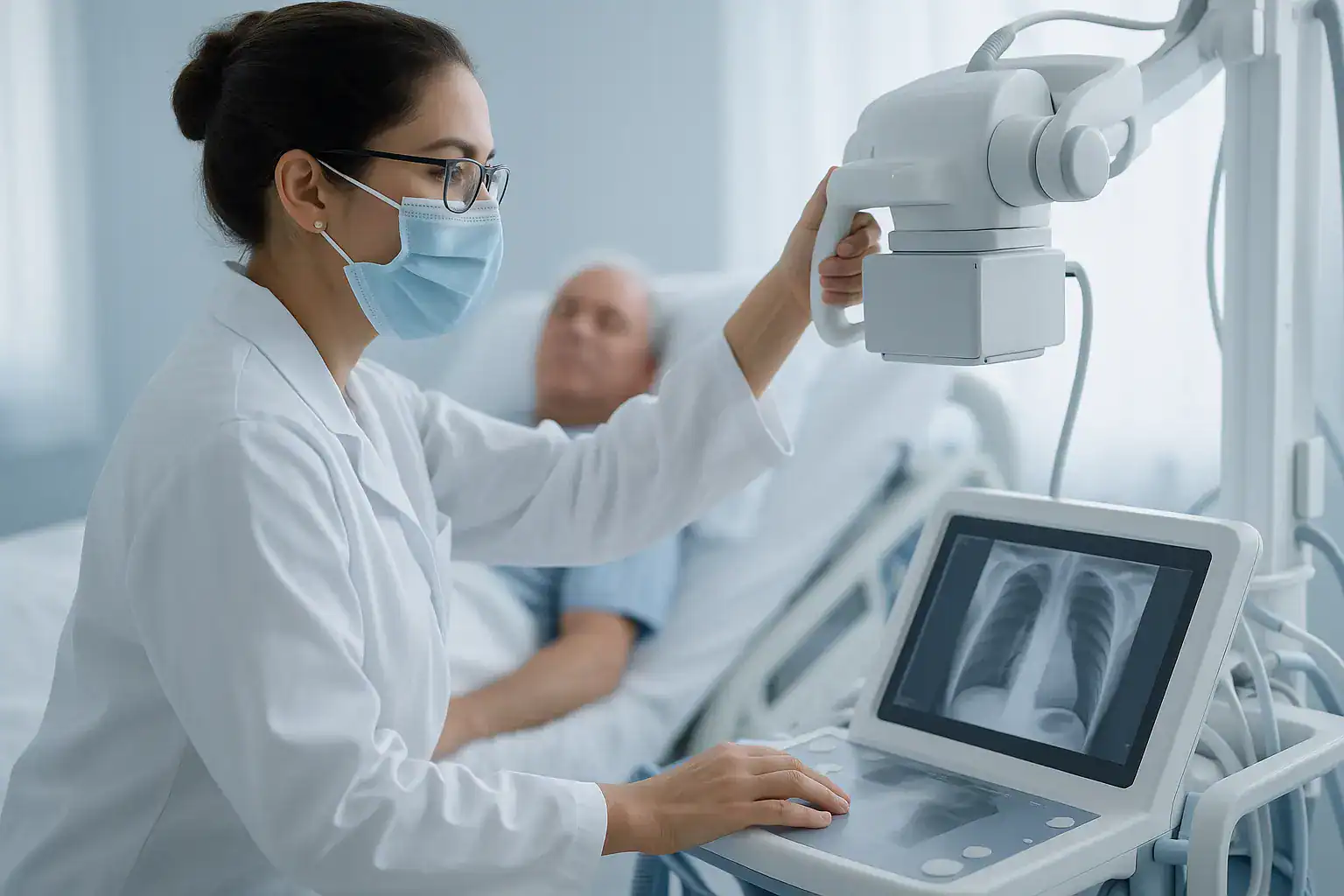
Mobile imaging services have revolutionized the way patients access diagnostic tests, bringing advanced imaging technology directly to the patient’s location. Mobile imaging includes X-rays, CT scans, MRIs, and ultrasounds, allowing healthcare providers to diagnose and monitor conditions efficiently. This service is particularly beneficial for patients in rural areas, those with mobility challenges, or individuals who require urgent imaging but cannot travel to a hospital. By offering mobile imaging, healthcare teams can expedite diagnosis and treatment, improving overall patient outcomes.
Telemedicine: Connecting Patients to Doctors Anywhere
Telemedicine has emerged as an essential service for quick medical attention, enabling patients to consult healthcare professionals remotely. Through video calls, phone consultations, and secure messaging, patients can discuss symptoms, receive prescriptions, and get medical guidance without leaving home. Telemedicine is particularly useful for managing chronic conditions, follow-up care, and initial evaluations of sudden health concerns. By eliminating travel time and streamlining access to healthcare providers, telemedicine ensures patients receive timely advice and treatment, which can be crucial in preventing the escalation of health issues.
Home Health Services: Personalized Care in Comfort
For patients recovering from surgery, managing chronic illnesses, or needing regular monitoring, home health services provide a tailored approach to medical care. Skilled nurses, therapists, and other healthcare professionals visit the patient’s home to administer treatments, monitor vital signs, and provide guidance for ongoing care. Home health services are essential for minimizing hospital readmissions and ensuring patients receive continuous support during recovery. These services allow patients to remain in a comfortable environment while still accessing professional medical attention, promoting faster healing and a higher quality of life.
Emergency Medical Services: Rapid Response for Critical Situations
Emergency medical services (EMS) remain a cornerstone of quick medical attention for life-threatening situations. Equipped with trained paramedics, ambulances, and advanced life support tools, EMS teams provide immediate care at the scene and during transport to hospitals. Rapid response by EMS can save lives in cases of heart attacks, strokes, severe injuries, or other critical conditions. By delivering medical attention promptly, EMS reduces the risk of permanent damage and stabilizes patients until they reach specialized care.
Pharmacy and Prescription Delivery Services: Convenience and Compliance
Access to medications is a crucial component of effective medical care. Modern pharmacy services, including same-day prescription delivery, ensure patients can obtain essential medications without delays. This convenience is particularly valuable for individuals managing chronic conditions, recovering from surgery, or dealing with acute illnesses. Timely access to medications supports adherence to treatment plans, reduces complications, and complements other quick medical services, enhancing overall health outcomes.
Conclusion
Quick and effective medical attention relies on a combination of services designed to meet diverse healthcare needs. From urgent care centers and mobile imaging to telemedicine, home health, EMS, and pharmacy delivery, each service plays a unique role in ensuring timely, accessible, and efficient care. Understanding these essential services allows patients and families to make informed decisions during health emergencies and routine care, ultimately leading to faster recovery, improved health outcomes, and greater peace of mind. In an era where prompt medical attention can be life-saving, staying aware of these services is a practical step toward better health for everyone.